
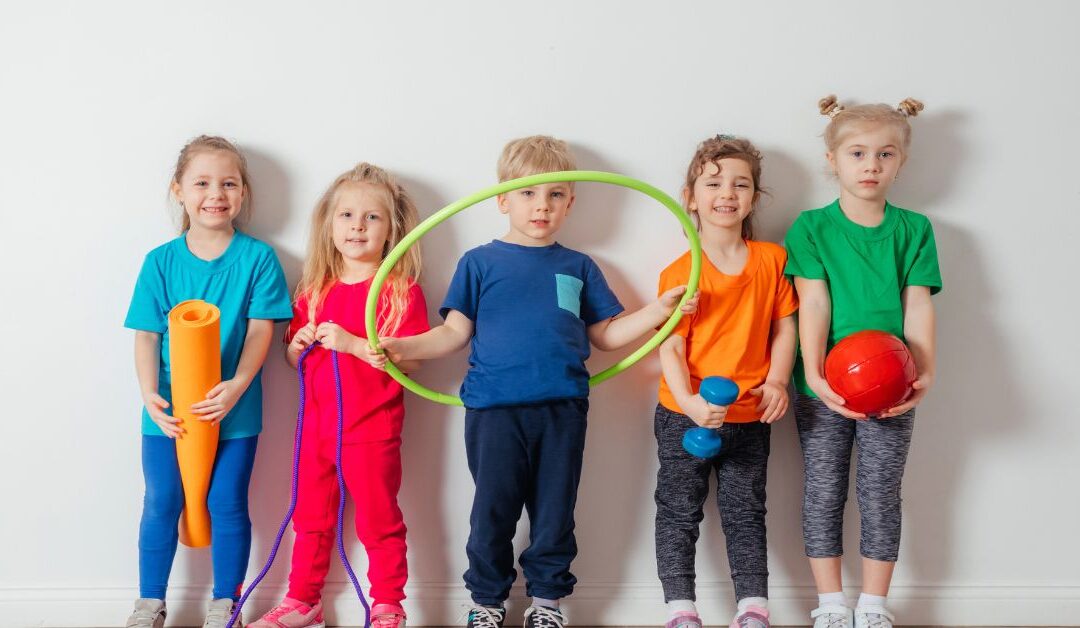
Active play is essential for infant and toddler development. Crawling, walking, climbing, and exploring help build gross motor skills, coordination, and confidence. But even the best playground or indoor setup can be hindered if your child’s clothing restricts movement. Choosing the right baby & toddler clothing, playwear & activewear, outerwear & jackets, sleepwear & pajamas, and even footwear can significantly enhance your child’s mobility and willingness to explore.
This movement-focused parenting guide provides practical tips for selecting clothing that supports active play while integrating educational toys, building & construction toys, and safe nursery & baby gear to create an engaging and safe play environment.
Prioritise Flexible, Comfortable Fabrics
Why Material Choice Matters
Babies and toddlers move constantly, and fabrics that restrict mobility or irritate the skin can limit playtime.
Tips for selecting active-friendly clothing:
- Soft, breathable fabrics like cotton or cotton blends prevent overheating and chafing.
- Stretchy materials in playwear & activewear allow for crawling, climbing, and reaching.
- Durable fabrics withstand repeated washing after messy play, including interaction with toys & games, dolls & stuffed animals, or building & construction sets.
Comfortable clothing encourages freedom of movement, making your child more likely to explore and engage in physical activity.
Choose Clothing That Supports Easy Movement
Functional Designs for Play
Certain design features enhance mobility and convenience:
- Elastic waistbands for pants and shorts
- Snap closures and zippers that simplify diaper changes or quick wardrobe adjustments
- Loose but well-fitted tops that don’t ride up or restrict arm movement
- Layered outfits for outdoor play, including lightweight outerwear & jackets
By choosing functional designs, infants and toddlers can safely enjoy climbing, crawling, or running, whether indoors on play mats or outdoors in open spaces.
Match Clothing to Play Environments
Indoor vs. Outdoor Activity
Active play happens in different settings, and clothing should adapt accordingly:
Indoor play:
- Comfortable playwear & activewear that can get messy with educational toys, building blocks, or art activities.
- Soft socks or indoor footwear to prevent slipping.
- Easy-to-change sleepwear & pajamas for transition between nap time and active sessions.
Outdoor play:
- Weather-appropriate outerwear & jackets for warmth or rain protection.
- Footwear with good grip to prevent slips and support developing feet.
- Breathable, layered clothing that allows freedom while maintaining temperature control.
Matching clothing to the environment ensures safe, uninterrupted active play.
Integrate Clothing with Learning and Play
Support Cognitive and Motor Development
Active play isn’t just physical—it also supports early learning.
Ideas to combine clothing and play:
- Movement-based games with educational toys: crawling over textured mats or stepping around soft building blocks.
- Role-play and imaginative play: comfortable clothing allows toddlers to act out stories with dolls & stuffed animals or interactive toys.
- Books & learning materials during calm breaks to reinforce literacy, while clothing maintains comfort for continued play.
By creating an environment where clothing supports both movement and play, you help your child explore, learn, and grow confidently.
Encourage Independence Through Easy-to-Wear Clothing
Clothing That Lets Kids Participate
As toddlers grow, they want to dress themselves or explore independently. Clothing designed for independence encourages self-confidence:
- Easy-to-use zippers, snaps, and elastic waistbands.
- Stretchy playwear & activewear that can be layered or removed with minimal assistance.
- Shoes and footwear that can be slipped on or off independently.
Supporting independence during dressing promotes not only active play but also fine motor skill development.
Key Takeaways
- Choose soft, breathable, and stretchy fabrics to promote comfort and flexibility.
- Opt for functional designs like elastic waistbands, snaps, and layered clothing.
- Match clothing to the play environment to maximize safety and movement.
- Integrate clothing with play and learning activities for holistic development.
- Encourage independence through easy-to-wear, versatile pieces that toddlers can manage themselves.
By prioritising clothing that supports mobility, parents can set up an environment where active play and learning go hand-in-hand.
Active play is a vital part of early development, and clothing choices play a larger role than many parents realise. By selecting baby & toddler clothing, playwear & activewear, outerwear & jackets, sleepwear & pajamas, and footwear that prioritise comfort, flexibility, and functionality, you can help your child move freely, engage with toys & games, and explore their environment safely. Pair these clothing choices with educational toys, building & construction sets, dolls & stuffed animals, and books & learning materials to create an enriching, movement-friendly space.
If this guide helped you rethink your child’s wardrobe for active play, share it with another parent, or join our newsletter for more practical tips on clothing, play, and child development strategies.