
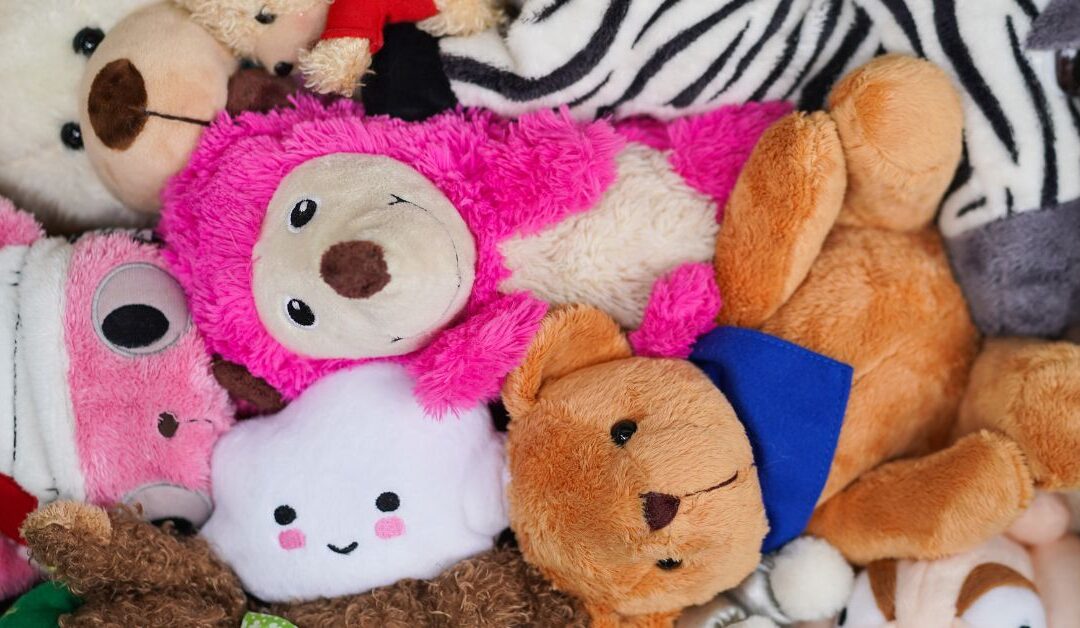
Dolls & stuffed animals aren’t just adorable companions—they play a vital role in infant and toddler development. These soft toys provide comfort, support emotional growth, encourage imaginative play, and even help with early social skills. For new parents, selecting the right dolls & stuffed animals involves balancing safety, durability, and developmental value.
This guide explores how to choose safe and beneficial dolls & stuffed animals while integrating other key infant products like educational toys, books & learning materials, baby & toddler clothing, sleepwear & pajamas, playwear & activewear, and nursery & baby gear to create a cohesive, child-friendly environment.
Prioritise Safety and Materials
What to Look for in Safe Soft Toys
Safety is paramount, especially for infants and toddlers who often put toys in their mouths.
Key safety features:
- Non-toxic fabrics and dyes to prevent allergic reactions.
- No small or detachable parts, including buttons or beads that could be choking hazards.
- Secure stitching to withstand tugging and chewing.
- Machine-washable materials to maintain hygiene.
Parents should also check for age-appropriate recommendations on packaging to ensure safety for newborns or toddlers.
Choose Toys That Support Development
Cognitive, Emotional, and Social Growth
Dolls & stuffed animals can actively support developmental milestones:
For infants:
- Soft, textured animals for tactile exploration.
- High-contrast patterns or colors for visual stimulation.
For toddlers:
- Dolls with movable limbs for role-playing and fine motor development.
- Plush animals with different sizes or textures to teach sorting and comparison skills.
- Interactive dolls that speak, sing, or encourage counting combine play with educational toys.
Pairing dolls & stuffed animals with books & learning materials or building & construction toys allows children to expand imaginative play into storytelling, sequencing, and problem-solving activities.
Comfort and Attachment
Why Plush Toys Matter Emotionally
Dolls & stuffed animals often become transitional objects, offering security during naps, bedtime, or stressful situations.
Tips for choosing comforting toys:
- Choose soft, cuddly fabrics that feel soothing to touch.
- Pick lightweight toys your child can carry independently.
- Incorporate toys with familiar scents, textures, or sounds to strengthen emotional bonds.
Comfortable sleepwear & pajamas can complement these soothing objects, creating cozy bedtime routines that promote healthy sleep habits.
Encourage Imaginative and Social Play
Making Learning Fun Through Dolls & Plush Toys
Dolls & stuffed animals foster creativity, empathy, and social skills.
Interactive play ideas:
- Role-playing games: feeding, dressing, or caring for dolls.
- Storytelling: integrate dolls into books & learning materials to build vocabulary.
- Group play: sharing dolls and stuffed animals encourages cooperation, turn-taking, and social development.
Incorporate playwear & activewear that allows free movement during these activities, supporting both physical activity and imaginative engagement.
Organise and Integrate Into the Nursery
Keep Toys Accessible and Tidy
Organisation helps maintain a safe, clean play environment:
- Open bins or shelves for dolls & stuffed animals, keeping them off the floor to prevent tripping.
- Rotating selection to reduce overstimulation and keep playtime fresh.
- Designated cuddle spots: small chairs or floor cushions encourage structured, cozy play areas.
Combine with nursery & baby gear like storage units or baskets to create a functional space that houses toys, books & learning materials, and other essentials in one place.
Key Takeaways
- Safety first: Non-toxic materials, secure stitching, and age-appropriate designs are essential.
- Support development: Choose toys that promote tactile, cognitive, emotional, and social growth.
- Comfort matters: Soft, lightweight plush toys enhance security and emotional attachment.
- Encourage imaginative play: Combine dolls & stuffed animals with books & learning materials and educational toys.
- Organise thoughtfully: Rotate toys and use designated storage or cuddle areas for safe, engaging play.
Dolls & stuffed animals can be both comforting companions and developmental tools when chosen thoughtfully.
Choosing dolls & stuffed animals isn’t just about aesthetics—it’s about selecting toys that foster emotional comfort, imaginative play, and developmental milestones. By focusing on safe materials, comfort, and interactive opportunities, parents can enhance their child’s growth while creating a nurturing environment. Complement these choices with educational toys, building & construction sets, books & learning materials, and thoughtfully organised nursery & baby gear. Comfortable baby & toddler clothing, playwear & activewear, and sleepwear & pajamas further ensure that children can play, learn, and explore freely.
If this guide helped you select the perfect dolls & stuffed animals for your child, share it with another parent, or join our newsletter for more expert insights on infant and toddler products, developmental play, and safe parenting strategies.