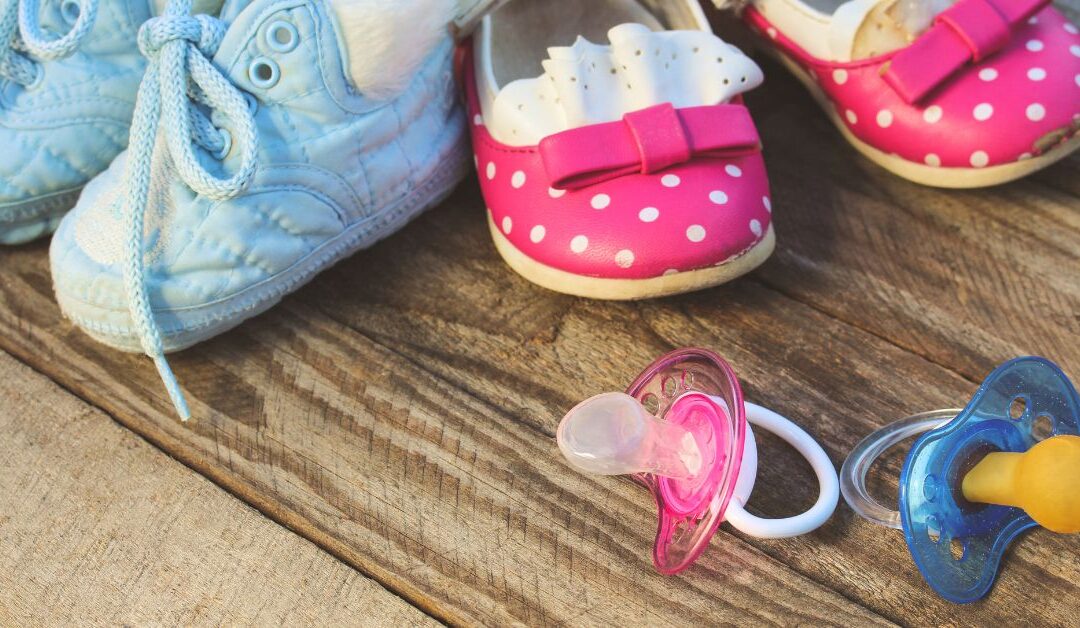
Choosing the right footwear for infants and toddlers is about more than style—it directly impacts foot health, mobility, and early physical development. Ill-fitting shoes can hinder walking, cause discomfort, and affect posture, while proper footwear supports balance, coordination, and confidence in movement.
This guide will help parents select baby & toddler footwear that promotes healthy development while complementing clothing choices such as playwear & activewear, sleepwear & pajamas, and outerwear & jackets. We’ll also discuss integrating footwear with nursery & baby gear, educational toys, building & construction sets, and dolls & stuffed animals to support active, safe, and comfortable play.
Prioritise Proper Fit
Why Fit Matters Most
Babies’ and toddlers’ feet grow rapidly, and shoes that are too tight or loose can cause discomfort or deformities.
Fit tips:
- Measure feet regularly: Every 2-3 months for infants, every 1-2 months for toddlers.
- Allow room for growth: About a thumb-width space between the toes and the shoe tip.
- Check width: Avoid shoes that squeeze the sides; opt for adjustable straps or flexible materials.
- Try shoes on with socks: Ensure the combination doesn’t restrict movement.
Proper fit supports comfortable play with educational toys, building & construction sets, and active exploration in playwear & activewear.
Choose Flexible, Breathable Materials
Comfort and Safety for Developing Feet
Soft, flexible materials encourage natural foot movement while preventing overheating and irritation.
Material considerations:
- Soft leather or fabric: Supports breathability and flexibility.
- Flexible soles: Allow toddlers to feel the ground for better balance.
- Lightweight construction: Minimizes fatigue during active play.
- Machine-washable or wipeable surfaces: Useful for messy indoor and outdoor play with dolls & stuffed animals or building toys.
Breathable, flexible footwear pairs well with comfortable baby & toddler clothing and sleepwear & pajamas, keeping children active without restriction.
Support Safety and Stability
Reduce the Risk of Falls
Toddlers are still mastering balance, so shoes should enhance stability:
Safety features to look for:
- Non-slip soles: Prevent slipping on smooth floors.
- Secure closures: Velcro, elastic, or adjustable straps keep shoes in place.
- Lightweight padding: Adds comfort without bulk.
- Rounded, soft toe caps: Protect toes during play with building & construction toys or educational activities.
Footwear that promotes stability encourages confidence in movement during indoor and outdoor activities.
Match Footwear to Activities
Different Shoes for Different Play
Toddlers engage in a variety of activities, and footwear should adapt accordingly:
Indoor play:
- Soft-soled shoes or non-slip socks for crawling and floor play with educational toys and dolls & and stuffed animals.
Outdoor play:
- Durable soles with traction for running, climbing, and exploring.
- Weather-appropriate materials for rain, mud, or cold temperatures.
- Pair with outerwear & jackets for full protection in colder months.
By matching footwear to activity, children remain safe, comfortable, and free to explore.
Encourage Independence Through Design
Shoes Toddlers Can Manage
Footwear that children can put on and take off independently promotes confidence and self-sufficiency:
- Velcro or slip-on shoes for quick adjustments.
- Stretchy closures that support a snug fit without assistance.
- Simple fasteners for toddlers practicing dressing skills.
Independent footwear habits complement overall development and daily routines with baby & toddler clothing, playwear & activewear, and organised nursery & baby gear.
Key Takeaways
- Fit is crucial: Measure frequently and allow growth space.
- Flexible, breathable materials support comfort and healthy foot development.
- Safety features like non-slip soles, secure closures, and padded toes prevent accidents.
- Match shoes to activities for indoor and outdoor play.
- Encourage independence with toddler-friendly closures and designs.
Proper footwear enhances movement, confidence, and engagement with toys & games, educational tools, and physical activity.
Selecting baby & toddler footwear is about supporting healthy development, comfort, and safe play. By prioritising proper fit, flexible materials, and activity-appropriate designs, parents can ensure toddlers move freely while exploring educational toys, building & construction sets, and dolls & stuffed animals. When paired with playwear & activewear, baby & toddler clothing, sleepwear & pajamas, and outerwear & jackets, the right footwear completes a safe and comfortable setup for active learning and play.
If this guide helped you choose the right shoes for your child, share it with another parent, or join our newsletter for more tips on developmental products, safe play, and smart parenting solutions.