
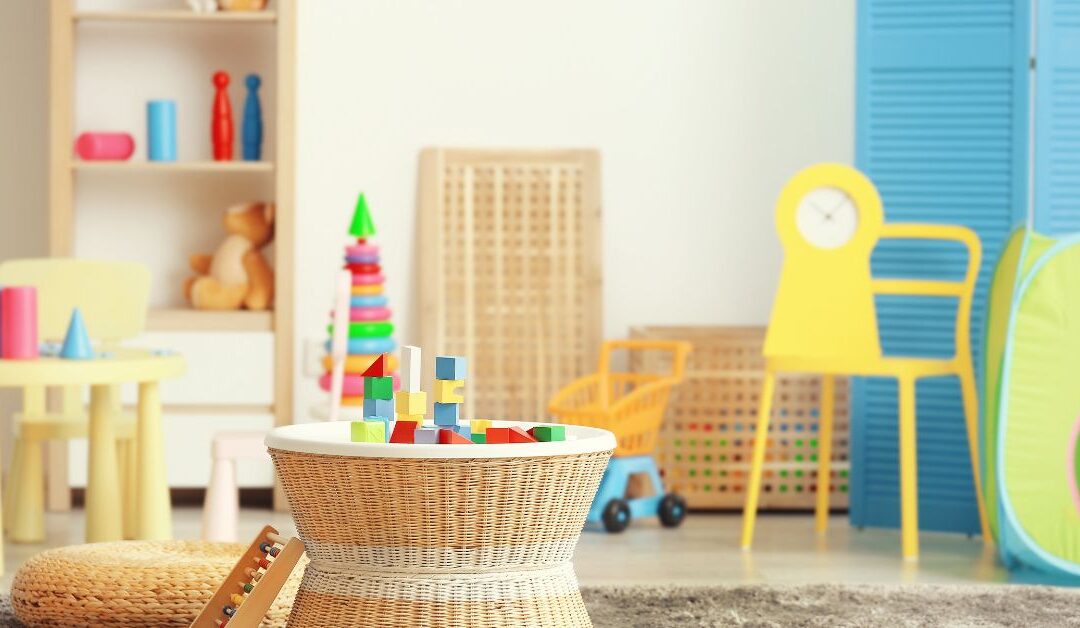
A well-designed kids’ room is more than a space—it’s a sanctuary that nurtures healthy sleep, learning, and play. Thoughtful furniture and storage solutions can transform chaos into calm, creating an environment that supports bedtime routines, daytime play, and even independent learning.
In this guide, we’ll explore magazine-worthy ideas for organising toys & games, educational toys, dolls & stuffed animals, books & learning materials, and baby & toddler clothing, while creating sleep-friendly zones for restful nights. By integrating playwear & activewear, sleepwear & pajamas, and outerwear & jackets, you can craft a room that’s functional, stylish, and conducive to healthy sleep rituals.
Section 1: The Sleep-Ready Room Layout
Design Zones With Purpose
Magazine editors always emphasise flow—and your child’s room is no different. Create zones that separate play, learning, and rest:
- Play Zone: Allocate floor space for educational toys, building & construction sets, and dolls & stuffed animals. Use soft rugs or cushions to encourage safe, interactive play.
- Learning Zone: Small tables or desks with accessible books & learning materials, school supplies & stationery, and low shelves.
- Rest Zone: The bed should be the visual and functional anchor. Include bedding & room décor, sleepwear & pajamas, and soft lighting to reinforce the bedtime ritual.
Tip: Keep pathways clear to allow smooth transitions from play to reading to sleep—a key component of sleep-ritual coaching.
Section 2: Multi-Functional Furniture That Works Hard
Furniture Meets Function
Magazine spreads love pieces that serve double duty, and kids’ rooms are no exception:
- Storage beds or cribs with drawers: Store bedding & room décor, toys, or seasonal baby & toddler clothing.
- Benches with hidden compartments: Perfect for dolls & stuffed animals or building & construction toys.
- Convertible desks/tables: Act as a craft or reading station during the day and a homework zone later.
The goal: furniture that supports routines—from playtime to reading time to sleep.
Section 3: Smart Storage Tips for Sleep-Ritual Success
Declutter for Calm Nights
A clutter-free environment helps children unwind, promoting better sleep:
- Categorised Bins: Separate toys & games, dolls & stuffed animals, and educational toys.
- Rotating Toys: Reduce overstimulation by limiting out-of-rotation items—less clutter equals calmer nights.
- Accessible Clothing Storage: Keep playwear & activewear, outerwear & jackets, and sleepwear & pajamas within reach for easy outfit changes and bedtime prep.
Tip: Label bins in child-friendly colors or pictures to encourage toddlers to tidy up independently—a subtle cue in bedtime preparation.
Section 4: Integrate Sleep-Ritual-Friendly Decor
Mood and Ambiance Matter
A magazine-worthy nursery balances style and function while supporting restful sleep:
- Soft, calming colors on walls and furniture reduce stimulation before bed.
- Nightlights or string lights provide a gentle glow for comfort without disrupting sleep.
- Textured rugs and cushions offer cozy spots for reading books & learning materials or snuggling with dolls & stuffed animals.
Decor isn’t just for looks—it cues your child’s brain that it’s time to transition from play to rest.
Section 5: Make the Routine Kid-Friendly
Combine Organisation With Sleep Coaching
- Evening wind-down: Have children place toys & games back in bins, ready for a calm sleep environment.
- Clothing prep: Lay out sleepwear & pajamas while storing outerwear & jackets and playwear & activewear neatly.
- Reading ritual: Encourage reading books & learning materials in the designated rest zone before lights out.
Magazine editors would call it “functional beauty”—organised, aesthetically pleasing, and purposeful for daily routines.
Key Takeaways
- Zone the room: separate play, learning, and sleep for structure and calm.
- Choose multi-functional furniture: storage beds, benches, and convertible tables make routines seamless.
- Organise smartly: categorised bins, rotating toys, and accessible clothing encourage independence.
- Decorate for rest: soft colors, nightlights, and cozy textures cue sleep readiness.
- Integrate routines: tie storage, clothing, and play habits into a calm bedtime ritual.
When done right, your child’s room becomes a magazine-worthy haven that fosters creativity, organisation, and restorative sleep.
Smart furniture and storage solutions are powerful tools in promoting healthy sleep rituals for kids. By creating zones, choosing multi-functional furniture, organising toys & games, books & learning materials, and baby & toddler clothing, and incorporating calming décor, parents can craft a room that blends style with purpose. Complementing the space with sleepwear & pajamas, playwear & activewear, and outerwear & jackets ensures comfort, independence, and smooth bedtime routines.
If this guide inspired you to rethink your child’s room for restful sleep, share it with another parent, or join our newsletter for more expert tips on sleep-friendly interiors, nursery organisation, and child-focused design.