Last Updated: November 12, 2026
Quick Summary
Bamboo fabric is chosen for babies because it is exceptionally soft, drapes smoothly against skin, and wicks moisture while letting air move through the knit, so babies who run hot are less likely to wake clammy. It suits sleepwear and next-to-skin layers better than rough everyday play, since bamboo viscose can pill and lose shape faster than cotton.
- Most bamboo baby clothes are bamboo viscose, legally labeled rayon or viscose rather than bamboo.
- Bamboo viscose is prone to pilling and loses shape faster than cotton, especially with hot washing.
- Look for third-party certifications such as OEKO-TEX Standard 100 or GOTS, and ask which apply to a specific garment.
- Wash bamboo baby clothes in cold water on a gentle cycle and air dry whenever you can.
- Buy bamboo for sleep and next-to-skin layers, and cotton or cotton-rich blends for play and everyday basics.
Table of Contents
- What Bamboo Fabric Is and How It Gets Made
- Bamboo Fabric Benefits and Drawbacks for Babies
- Bamboo Baby Clothes: Comfort for Sleep, Play, and Sensitive Skin
- Is Rayon From Bamboo Safe for Babies?
- Organic Cotton vs Bamboo for Babies: A Side-by-Side Comparison
- Caring for Bamboo Baby Clothes: Washing, Drying, and Durability
- Choosing Bamboo Pieces for Your Baby’s First Wardrobe
- Frequently Asked Questions
What Bamboo Fabric Is and How It Gets Made
Bamboo fabric is a textile made from the fibers of the bamboo plant, and most of what you find in baby clothes is bamboo viscose, a regenerated cellulose fiber produced through a chemical process. Understanding that distinction matters before you buy. At All For Baby And Kids, we explain this to parents constantly, because the label rarely tells the whole story.
From Bamboo Plant to Bamboo Viscose
Bamboo grows fast and needs little replanting, which is why it gets called a renewable resource. Turning stiff bamboo stalks into soft fabric, though, takes work. The most common route dissolves bamboo pulp in a chemical bath and extrudes it into fiber, which is why the result is legally labeled rayon or viscose rather than “bamboo.” A smaller share of bamboo fabric is made mechanically, crushed and combed without harsh solvents. The Federal Trade Commission guidance on bamboo textile labeling is clear that companies cannot call viscose “bamboo” without qualifying how it was made.
Bamboo Fabric Benefits and Drawbacks for Babies
Bamboo fabric benefits and drawbacks come down to a simple trade: exceptional softness and moisture handling versus real questions about durability and price. Neither side cancels the other out. Here is how the balance actually looks in daily use.
Where Bamboo Wins: Softness, Airflow, and Moisture
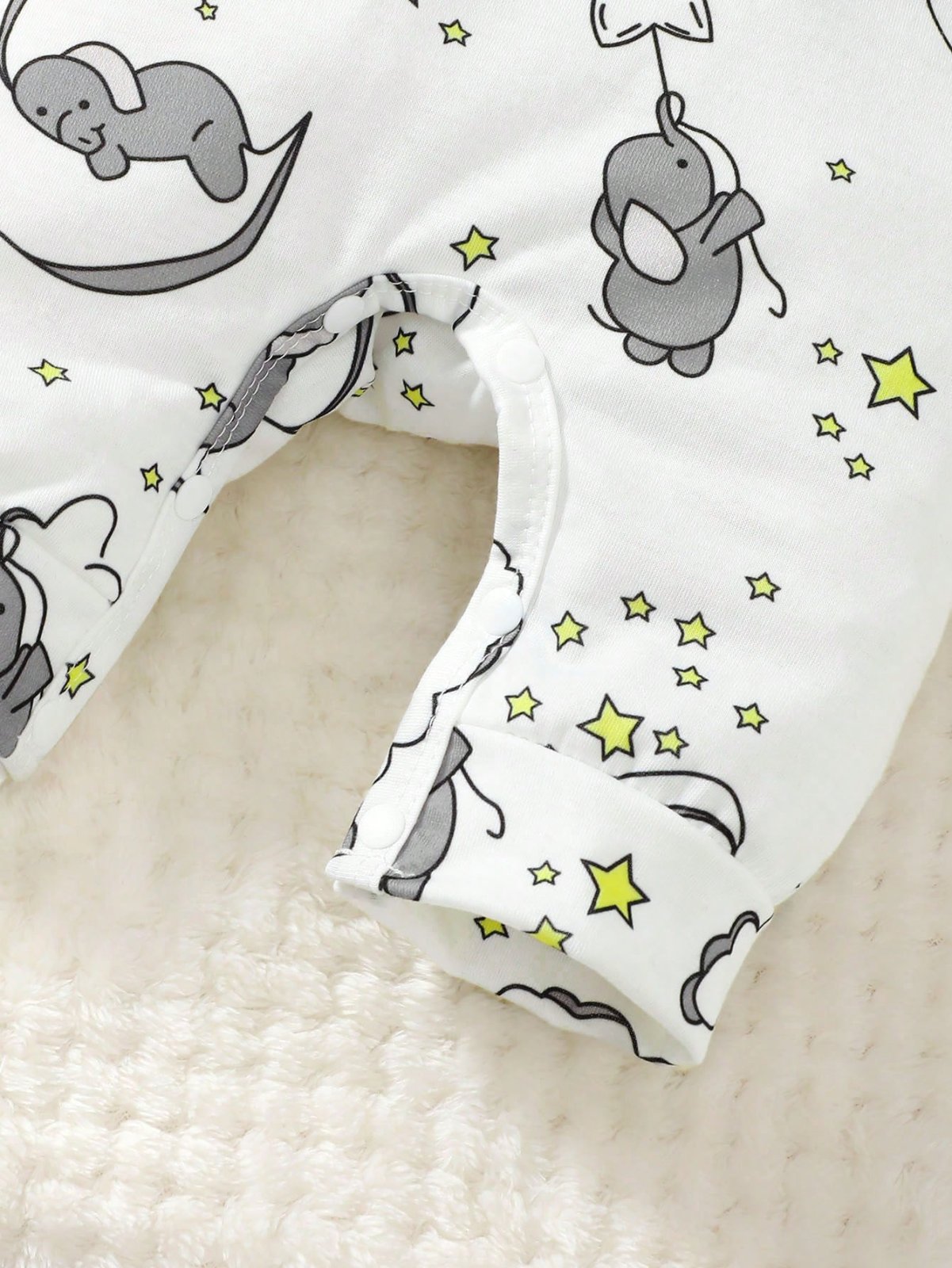
The feel is the first thing parents notice. Bamboo viscose drapes like a light jersey, stretches with a wriggling baby, and stays smooth against the skin. If you want to see how this feels in a sleep garment, our modal baby sleep onesie is worth a look.
Where Bamboo Falls Short: Durability and Cost
Bamboo viscose is not the toughest fiber on the shelf. It can pill, stretch out at the cuffs, and lose shape faster than cotton if you wash it hot or tumble it dry. Pricing depends on quantity, dates, and delivery, so check our website for current prices or a quote. A common mistake is treating bamboo like an indestructible everyday basic. It is better suited to sleep and layering than to rough-and-tumble play on repeat.
Bamboo Baby Clothes: Comfort for Sleep, Play, and Sensitive Skin
Many parents choose bamboo baby clothes for sleepwear and next-to-skin layers, where softness and moisture control matter most. That is a comfort advantage, not a medical guarantee, and it is worth saying plainly.
For play, look for blends with a bit of structure so the garment holds its shape through crawling and climbing. For sleep, a snug fit matters more than fabric alone.
Is Rayon From Bamboo Safe for Babies?
Rayon from bamboo is generally considered safe for babies once the fabric is finished, because the solvents used to dissolve bamboo pulp are recovered and washed out during manufacturing and finishing. The honest caveat is that “safe” is a property of the finished, tested garment, not of the word “bamboo” on the tag. Two garments can both say “rayon from bamboo” and differ in dye load, finish chemistry, and whether anyone screened them for harmful substances.
What Finishing Actually Removes, and What It Doesn’t Guarantee
The viscose process dissolves bamboo cellulose in a chemical bath, extrudes it into fiber, then washes, bleaches, and dyes the resulting yarn. Properly rinsed and finished fabric is generally expected to carry only trace processing residues. What finishing does not guarantee is that a specific garment was tested. Residuals, dye fastness, and formaldehyde-based finishes vary by factory, and a soft hand feel tells you nothing about any of them. That is why the label alone cannot answer the safety question, the paper trail behind it can.
Certifications That Actually Screen for Something
Look for brands that publish safety testing or hold third-party certifications. Some brands hold third-party certifications such as OEKO-TEX Standard 100 or GOTS, which screen textiles against defined test protocols. Ask a brand which certifications apply to a specific garment. Neither certification proves a fabric prevents rashes or allergies; they establish that the garment passed a defined test protocol. If a brand cannot tell you how its bamboo is processed or which certifications apply, treat that as a reason to keep looking. Our guide to the best eco friendly baby clothing brands covers how to spot trustworthy sourcing claims.
Fabric Choice Is Not a Substitute for Safe Sleep
A soft, breathable fabric does not change safe-sleep rules. Pediatric safe-sleep guidance generally recommends that babies sleep on their back, on a firm, flat surface, with no loose bedding in the crib (Baby Products to Avoid: Unsafe Registry Picks & Secondhand Gear). Fabric choice sits inside those rules, not above them. For sleepwear, fit matters more than fiber: loose, flowing garments are a hazard, so choose snug-fitting bamboo sleepwear sized to your baby rather than buying roomy to “grow into.” Watch out: a garment labeled “breathable” is not a license to skip the fitted-sheet, no-blanket basics, and no fabric regulates a baby’s temperature in every situation, room temperature and layering do most of that work.
Flammability and Sleepwear Rules to Know
Children’s sleepwear in the U.S. is subject to flammability rules, and checking a garment’s labeling for fit and flame-resistance statements is a sensible step. Treat any “naturally flame-resistant” marketing claim with skepticism and check the hangtag for the snug-fit statement. If your baby has a diagnosed skin condition, follow your pediatrician’s guidance on fabrics and detergents before changing the wardrobe.
Organic Cotton vs Bamboo for Babies: A Side-by-Side Comparison
Organic cotton and bamboo both suit babies well, but they solve different problems. Organic cotton and bamboo both suit babies well, and each has different strengths. Bamboo is often chosen for softness and moisture-wicking, while organic cotton is widely available and easy to wash. Here is the comparison we walk parents through:
| Feature | Bamboo Viscose | Organic Cotton | Conventional Cotton |
|---|---|---|---|
| Softness | Very soft, fluid drape | Soft, gets softer with washing | Moderate |
| Breathability | High airflow, wicks moisture | Good, breathable | Good |
| Durability | Lower, prone to pilling | High, holds shape | High |
| Care demands | Gentle wash, air dry preferred | Machine wash and dry | Machine wash and dry |
| Sustainability | Renewable plant, chemical processing | Certified organic farming | Water and pesticide intensive |
| Cost | Higher | Mid to high | Lowest |
If budget is tight, our roundup of affordable organic baby clothes for newborns shows where cotton delivers the most value.
Caring for Bamboo Baby Clothes: Washing, Drying, and Durability
Wash bamboo baby clothes in cold water on a gentle cycle and air dry whenever you can. Heat is the enemy here: hot water and a hot dryer break down the fiber and speed up pilling. Turn garments inside out, skip fabric softener, and wash with similar colors. A mesh laundry bag protects small pieces from snagging. That is the short version. The longer version depends on the knit, and the knit is what determines whether a garment survives a year of spit-up or pills by month three.
How the Knit Changes the Care Rules
Bamboo viscose is a fiber, and how it is knit affects how it handles washing. Thinner, stretchy knits are generally more prone to snagging and benefit from a gentle cycle and a mesh bag, while heavier knits generally tolerate more washing. A common pattern is that the softest, drapey-est bamboo garment is also the most fragile one, so match your care routine to the knit rather than to the fiber name on the tag.
Pilling, Snagging, and Shrinkage: What to Expect
Pilling happens when short fibers work loose and ball up on the surface, and bamboo viscose is more prone to it than cotton because the fiber is fine and smooth. Friction points, underarms, cuffs, the seat of a crawler, pill first. Snagging is the jersey-knit problem: velcro, zipper teeth, and rough toy edges catch the loops, so close zippers and fasten velcro before washing. Shrinkage is mostly a heat story. Some relaxation shrinkage can occur in the first wash, and heat from a hot dryer can shrink bamboo fabric and dull its finish.
Stain Removal Without Wrecking the Fabric
Treat stains fast and gently. Rinse spit-up and food stains in cold water, apply a small amount of enzyme-based detergent, and let it sit 15-30 minutes before washing. Avoid chlorine bleach, which weakens cellulose fibers and can yellow white bamboo; use an oxygen-based bleach only if the care label allows it. Skip fabric softener entirely, it coats the fiber, reduces wicking, and can trap odors. For diaper blowouts, rinse in cold water before the stain sets, then wash on the gentle cycle with like colors.
Cost, Value, and Cost per Wear
Bamboo baby clothes carry a premium, and the value question is cost per wear, not sticker price. A bamboo sleepsuit typically costs more than a comparable cotton one, and it will likely wear out sooner, so the math only works if the garment gets heavy rotation. If budget is tight, our roundup of affordable organic baby clothes for newborns shows where cotton delivers the most value, and our baby sleepwear collection is where bamboo earns its keep.
Choosing Bamboo Pieces for Your Baby’s First Wardrobe
Start small and build around sleep. When you are ready to browse, our baby clothing collection and dedicated baby sleepwear make it easy to find soft, breathable basics in one place.
Building a first wardrobe that is soft, safe, and actually holds up takes some judgment, and we are here to help you make it. All For Baby And Kids curates eco-friendly baby clothing and essentials with parent-friendly pricing, thoughtful sustainable packaging, and quick, secure shipping, so you can stock the nursery without second-guessing every label.
Frequently Asked Questions
What is the downside of bamboo fabric?
The main downsides are durability and processing. Bamboo viscose is often softer and more delicate than cotton, so it can pill or wear faster with heavy washing, and it may shrink if dried on high heat. It also usually costs more than basic cotton. On the processing side, most bamboo fabric is regenerated cellulose made through a chemical process, so the eco-friendly image is not automatic. Check for certifications and follow care instructions to get the longest life from each piece.
Is rayon from bamboo safe for babies?
Rayon from bamboo can be a suitable choice for babies when it is made and finished with appropriate care. If your baby has sensitive skin or eczema, wash new bamboo baby clothes before the first wear and watch for any irritation. Choosing brands that publish safety testing and certification details makes the decision easier.
Is 100% cotton or bamboo better for babies?
It depends on what you need. Cotton, especially organic cotton, is widely available and easy to wash. Bamboo fabric drapes well and wicks moisture, which many parents prefer for sleep and warm rooms. Both fabrics can suit everyday wear and layering, depending on your needs. Many families keep both in the rotation, using bamboo for sleepwear and cotton for play clothes.
How do you wash bamboo baby clothes?
Turn garments inside out and wash in cold or cool water on a gentle cycle with a mild detergent. Skip fabric softeners and bleach, which can break down the fibers. Tumble dry on low or lay flat to dry; high heat is the main cause of shrinkage and pilling. Wash bamboo separately from items with zippers or hook-and-loop closures that can snag the fabric. Following these steps keeps bamboo baby clothes soft wash after wash and helps them hold their shape for a second child.
