
Last Updated: November 17, 2026
Quick Summary
MakeMake Organics focuses on GOTS-certified organic cotton with heavier fabric weight and denser seams, while Burt’s Bees Baby offers mostly organic cotton that varies by line, with wider availability and frequent discounts. Choose MakeMake Organics for certification depth and wash durability, or Burt’s Bees Baby for availability and sale pricing.
- GOTS certification covers the full supply chain, from fiber harvest through dyeing and finishing.
- Wash test at 1, 5, 15, and 30 cycles and check neckline, cuffs, placket, seams, and seat.
- A discount on a lighter-weight garment is still a lighter-weight garment, so compare fabric, not percentage off.
- Neutral staples like bodysuits and sleep sacks resell better than seasonal prints and trend colors.
- Newborn sizes are the weakest resale category; sizes 6 to 12 months and up hold value better.
Table of Contents
- MakeMake Organics vs Burts Bees Baby at a Glance
- Organic Cotton Baby Clothes: How the Fabrics Actually Differ
- GOTS-Certified Organic Baby Clothes: Reading the Labels Correctly
- Long-Term Wash Testing: Which Brand Holds Its Shape
- Burt’s Bees Baby Sale Timing and What It Really Saves You
- Where to Buy Burt’s Bees Baby Clothes and MakeMake Organics
- Sizing, Fit, and Resale Value Across Both Brands
- Building Your Nursery Essentials List at All For Baby And Kids
- Frequently Asked Questions
MakeMake Organics vs Burts Bees Baby at a Glance
MakeMake Organics and Burt’s Bees Baby take two different roads to the same destination: soft, safe clothing for babies with sensitive skin. MakeMake Organics focuses on organic cotton, while Burt’s Bees Baby is a widely known brand with a broad product range. This guide from All For Baby And Kids breaks down fabric quality, certification labels, wash durability, sizing, and resale value so you can pick the right brand for your nursery.
Here is the short version before we get into the details.
| Factor | MakeMake Organics | Burt’s Bees Baby |
|---|---|---|
| Fabric focus | GOTS-certified organic cotton | Mostly organic cotton, varies by line |
| Price positioning | Higher upfront cost | Mid-range, often discounted |
| Where to buy | Brand site and select retailers | Brand site, big-box stores, marketplaces |
| Strength | Certification depth, fabric weight | Availability, sale frequency |
| Watch out for | Limited stock, fewer size runs | Line-by-line material differences |
Organic Cotton Baby Clothes: How the Fabrics Actually Differ
Organic cotton baby clothes differ from conventional cotton mainly in how the fiber is grown and processed: no synthetic pesticides at the farm level and restricted chemical inputs during processing. That matters for breathability and for babies with sensitive skin.
What most guides miss is fabric weight. A heavier knit resists pilling and holds its shape through repeated wash-and-wear cycles. A lighter knit feels lovely on day one and thin by month three. Ask before you buy, or check the product description for a grams-per-square-meter figure if the brand publishes one.
GOTS-Certified Organic Baby Clothes: Reading the Labels Correctly
GOTS-certified organic baby clothes carry a certification that covers the full supply chain, from fiber harvest through processing, dyeing, and finishing. It sets thresholds for non-toxic dyes and restricts inputs linked to skin irritation, which is why health-conscious parents seek it out.
If you want to get sharper at spotting misleading organic language, our guide on how to identify greenwashing in baby brands walks through the claims that should make you pause. The Global Organic Textile Standard publishes the current certification criteria if you want the source document itself.
Long-Term Wash Testing: Which Brand Holds Its Shape
Durability is where the two brands separate most clearly, and it is also where most comparisons stop at first impressions. A garment that feels substantial on day one can be thin by month three, so the useful question is not “which feels nicer” but “which survives a realistic wash cycle count.”
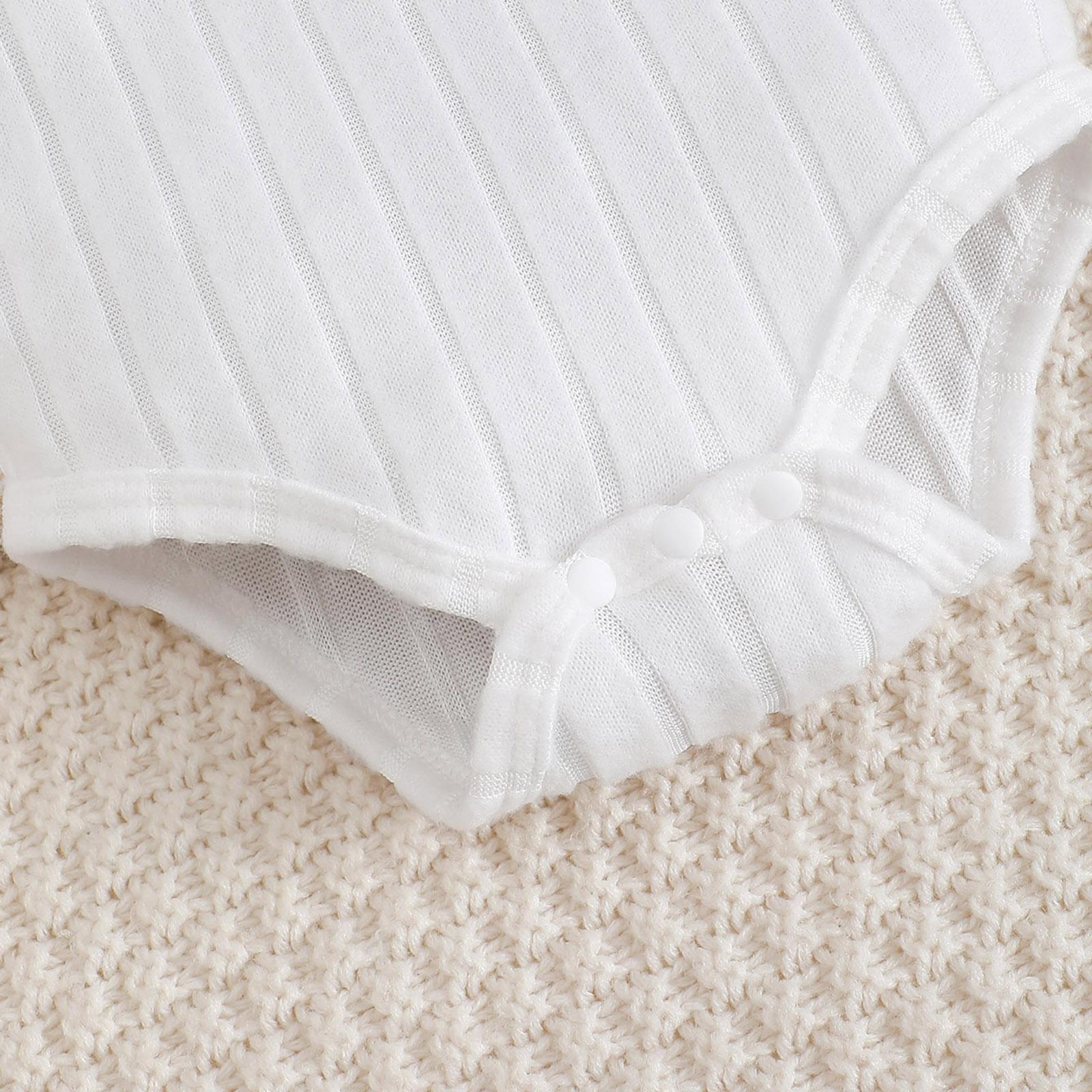
Here is the comparison framework we use, and the specific failure points to check on each brand.
The test method. Wash cold on a normal cycle with a mild, dye-free detergent, skip fabric softener, and tumble dry low or line dry. Track four checkpoints: wash 1, wash 5, wash 15, and wash 30. At each checkpoint, inspect the same five zones, the neckline, the cuffs, the snap placket, the side seams, and the seat, because those are where knit garments fail first. Photograph each checkpoint under the same light so you are comparing fabric, not memory.
We cover the full method in our guide to washing organic cotton baby clothes without shrinking if you want a routine that protects fabric weight and seam construction. The honest summary: MakeMake starts with an advantage in fabric weight and seam density, but Burt’s Bees Baby can match it line by line if you shop the heavier collections and avoid the lightest knits.
Burt’s Bees Baby Sale Timing and What It Really Saves You
The other thing to weigh: a discount on a lighter-weight garment is still a lighter-weight garment. A price-to-quality ratio only improves if the piece lasts. Compare the fabric, not just the percentage off.
Where to Buy Burt’s Bees Baby Clothes and MakeMake Organics
If you are comparing these two and want a wider field, our guide to the best eco-friendly baby clothing brands lays out more options side by side. One practical note: buying from a marketplace seller can complicate returns, so check the return window before you commit.
Sizing, Fit, and Resale Value Across Both Brands
For sizing, always measure your baby rather than trusting the age on the tag, and check the size chart on the product page before ordering.
Why certification supports resale. A GOTS-certified garment carries a claim a buyer can verify, which reduces the risk of buying a used item that turns out to be conventional cotton with an organic label. That verifiability is why certified organic pieces in good shape tend to hold more of their value than uncertified equivalents. The buyer is not just paying for fabric; they are paying for a documented supply chain they can trust secondhand.
What actually kills resale value. Worn cuffs, stretched necklines, faded prints, and missing or broken snaps. A garment with any of those is a donation, not a resale item, regardless of brand. This is why the wash-testing section above matters for your wallet, not just your baby’s comfort: the pieces that survive 30 washes are the pieces that resell.
Which items hold value best. Staple pieces in neutral colors, bodysuits, footed coveralls, sleep sacks, resell better than seasonal prints and trend colors, because the next buyer is shopping for function, not fashion. Newborn sizes are the weakest resale category because they are outgrown fastest and supply is high; sizes 6 to 12 months and up hold better because babies wear them longer. Bundles of matching pieces in the same size sell better than singles, since the buyer is outfitting a drawer, not a single outfit.
A practical rule. Before you buy, ask whether the piece would survive 30 washes and still look resellable. If the answer is no, buy fewer of it. That single question does more for your nursery budget than chasing the deepest discount, because it shifts the math from sticker price to cost per wear across two children.
Building Your Nursery Essentials List at All For Baby And Kids
A nursery essentials list should cover the basics without overbuying: bodysuits, footed coveralls, a few layette staples, sleep sacks, and a small set of toys. Newborn layette pieces get outgrown fast, so buy fewer than you think you need in the smallest size.
At All For Baby And Kids, we built our selection around the needs of growing babies. Our curated range covers clothing, toys, and nursery items in one place, with eco-friendly materials and thoughtful packaging.
Start with the pieces you will use daily, then add as you learn your baby’s needs. You can browse our must-have baby essentials checklist to see what other new parents prioritize, or read our complete guide to building a sustainable nursery if you want the eco-friendly route mapped out end to end.
Choosing between these two brands comes down to what you value more: certification depth and fabric durability, or wide availability and frequent discounts. Neither is a mistake. But if you want clothing that survives constant washing and holds up for a second child, fabric weight and seam construction should drive the decision, not the sale tag.
At All For Baby And Kids, we offer a curated selection of clothing, toys, and essentials, with eco-friendly materials and thoughtful packaging. Get started with All For Baby And Kids and put together a nursery you can feel good about.
Frequently Asked Questions
Is Burt’s Bees Baby good quality compared with MakeMake Organics?
Both brands sit well above typical mass-market baby clothing, but they aim at different things. Both brands are sold to parents looking for organic cotton baby clothing. For a current view of how any product is made and what it contains, check the product label and details on each brand’s own site.
Are Burt’s Bees Baby products safe for sensitive skin?
Check the product label for fiber content and any certification listed on the specific garment. Wash new items before the first wear and watch how your baby’s skin responds to snaps, zippers, and seam construction.
How do you compare the value of organic cotton baby clothes?
Divide what you pay by how many washes the garment survives looking presentable. A cheaper bodysuit that pills or shrinks after ten cycles costs more per wear than a pricier one that holds its color fastness and shape through a second child. Factor in fabric weight, seam construction, and whether the brand publishes certification details.
Where can you buy MakeMake Organics and Burt’s Bees Baby clothes?
Confirm current stock and availability on each brand’s website before planning a nursery order. If you want clothing, toys, and nursery essentials in one cart, a curated retailer like All For Baby And Kids simplifies the process.
